
Essential Bulgarian Food Vocabulary For Ordering At Traditional Restaurants

Author
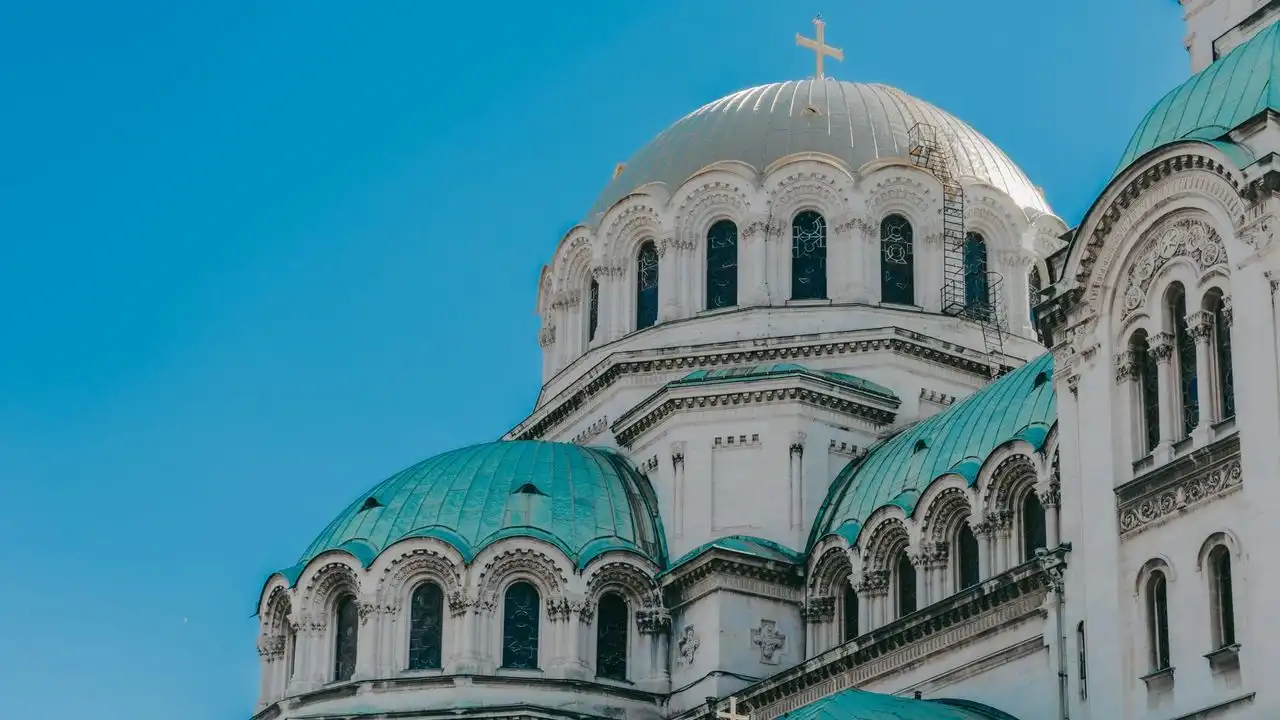
Bulgarian cuisine is a rich blend of Balkan and Mediterranean flavors that you need to experience firsthand.
Ordering food in a foreign language is a highly practical skill that instantly improves your travel experience.
This guide gives you the exact Bulgarian food vocabulary and phrases required to order confidently at any traditional restaurant.
Table of Contents:
Traditional Bulgarian restaurants
A traditional Bulgarian restaurant is called a mehana (механа).
These taverns are designed to look like old village houses with wooden furniture and traditional woven tablecloths.
They serve large portions of authentic, hearty local food.
You’ll often hear live folk music playing in the background while you eat.
Essential menu vocabulary
When you sit down at a mehana, the waiter will hand you the menu.
Knowing how the menu is organized helps you navigate the options and find what you want quickly.
| English | Bulgarian | Transliteration |
|---|---|---|
| Menu | Меню | Menyu |
| Appetizers | Предястия | Predyastiya |
| Salads | Салати | Salati |
| Main courses | Основни ястия | Osnovni yastiya |
| Desserts | Десерти | Deserti |
| Drinks | Напитки | Napitki |
| Bread | Хляб | Hlyab |
| Water | Вода | Voda |
| Beer | Бира | Bira |
| Wine | Вино | Vino |
Popular traditional dishes
Bulgarian food relies heavily on fresh vegetables, grilled meats, and local dairy products.
You’ll notice regional variations depending on where you travel in the country.
Coastal towns near the Black Sea specialize in fried sprats called tsatsa (цаца).
Mountain towns like Bansko are famous for heavy, slow-cooked meat dishes like kapama (капама).
Here are the most common dishes you’ll find on almost every mehana menu in Bulgaria.
| English Description | Bulgarian | Transliteration |
|---|---|---|
| Tomato, cucumber, pepper, and sirene cheese salad | Шопска салата | Shopska salata |
| Cold cucumber, garlic, and yogurt soup | Таратор | Tarator |
| Slow-cooked meat and vegetable stew | Каварма | Kavarma |
| Grilled minced meat roll | Кебапче | Kebapche |
| Grilled minced meat patty | Кюфте | Kyufte |
| Savory pastry with cheese and eggs | Баница | Banitsa |
| Traditional Bulgarian white cheese | Сирене | Sirene |
Phrases for ordering food
Once you know what you want to eat, you need to communicate your order to the waiter.
Waiters in larger cities usually speak English, but ordering in Bulgarian earns you a lot of respect.
The waiter will usually approach your table and ask what you’d like to eat.
Какво ще поръчате?
You can reply simply by saying “I want” followed by your item and a polite “please”.
Искам една шопска салата, моля.
If you want to sound slightly more polite, you can ask if it’s possible to get a specific item.
Може ли една бира, моля?
If you have dietary restrictions, it’s important to ask about the ingredients before you order.
Това има ли месо?
Asking for the bill
In Bulgaria, the waiter won’t bring the bill to your table until you specifically ask for it.
It’s considered rude to rush customers out of a restaurant after they finish eating.
When you’re completely finished, you can use a simple phrase to request the check.
Сметката, моля.
Not all traditional mehanas accept card payments, especially in smaller villages.
It’s always a good idea to ask if card payment is accepted before they print the receipt.
Може ли да платим с карта?
Tipping around 10% is standard practice in Bulgarian restaurants if you received good service.
You can simply leave the extra cash in the receipt folder on the table when you leave.