Essential Bulgarian Travel Phrases You Should Know
Author
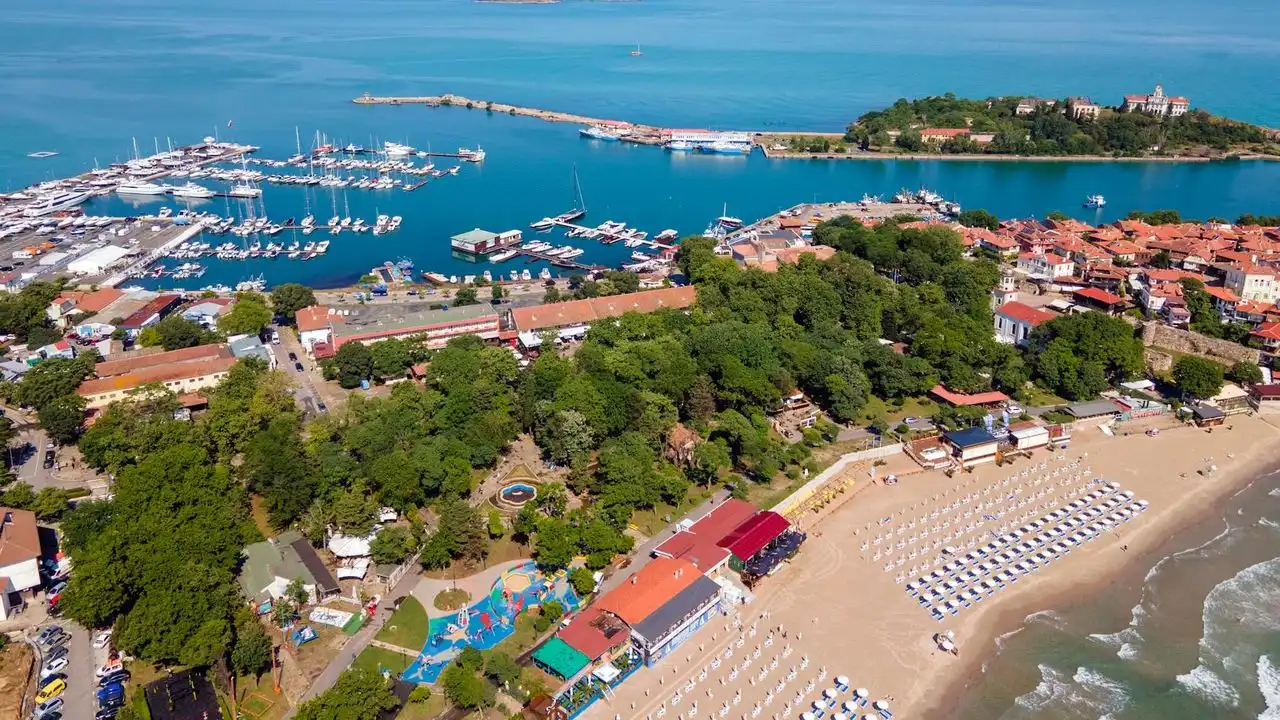
Are you planning a trip to Bulgaria?
Whether you’re going to the sunny Black Sea coast, exploring the historical streets of Plovdiv, or skiing in Bansko, knowing a few basic words in Bulgarian will make your trip much better.
Bulgarians are incredibly welcoming. If you try to speak even a little bit of their language, they’ll be thrilled.
Bulgarian uses the Cyrillic alphabet, which can look unfamiliar to English speakers at first, so I’ve provided easy-to-read pronunciations (transliterations) for every phrase so you can start speaking right away.
Here are the essential Bulgarian travel phrases you need to know.
Table of Contents:
Basic greetings and polite phrases
The easiest way to make a good impression is by saying hello and thank you.
In Bulgarian, greetings can change slightly depending on whether you’re talking to a friend or someone you don’t know (like a waiter or shop owner).
Here’s a quick cheat sheet for everyday politeness:
| English | Bulgarian (Cyrillic) | Pronunciation |
|---|---|---|
| Hello (formal/plural) | Здравейте | Zdraveite |
| Hello (informal) | Здравей / Здрасти | Zdravei / Zdrasti |
| Good morning | Добро утро | Dobro utro |
| Good day | Добър ден | Dobar den |
| Good evening | Добър вечер | Dobar vecher |
| Please / You’re welcome | Моля | Molya |
| Thank you | Благодаря | Blagodarya |
| Excuse me / Sorry | Извинете | Izvinete |
A fun regional tip: While blagodarya is the official Bulgarian word for “thank you”, you’ll hear locals say mersi all the time. Yes, just like in French! It’s very common and completely acceptable to use in casual situations.
Здравейте! Как сте?
Много добре, благодаря.
Getting around and asking for directions
When you’re exploring a new city like Sofia, you might need to ask for directions.
To ask where something is, you just need to say kade e (where is) followed by the place you’re looking for.
| English | Bulgarian (Cyrillic) | Pronunciation |
|---|---|---|
| Where is…? | Къде е…? | Kade e…? |
| The airport | Летището | Letishteto |
| The train station | Гарата | Garata |
| The bus station | Автогарата | Avtogarata |
| The bathroom / toilet | Тоалетната | Toaletnata |
If you ask for directions, you also need to understand the answer! Keep an ear out for these three directional words:
- Nalyavo (Наляво) - Left
- Nadyasno (Надясно) - Right
- Napravo (Направо) - Straight
Извинете, къде е тоалетната?
Вървете направо, после наляво.
Eating out and ordering food
Bulgarian food is amazing. You have to try banitsa (a cheesy pastry) and shopska salata (a fresh tomato and cucumber salad with feta-like cheese).
When you sit down at a restaurant, here’s how you order.
If you want to say “I would like”, the word changes slightly depending on if you’re a man or a woman speaking:
- If you’re a man, say: Bih zhelal…
- If you’re a woman, say: Bih zhelala…
| English | Bulgarian (Cyrillic) | Pronunciation |
|---|---|---|
| A table for two | Маса за двама | Masa za dvama |
| Water | Вода | Voda |
| Coffee | Кафе | Kafe |
| Beer | Бира | Bira |
| The menu, please | Менюто, моля | Menyuto, molya |
| The bill, please | Сметката, моля | Smetkata, molya |
Бих желала едно кафе, моля.
Сметката, моля.
Shopping and money
The currency in Bulgaria is the Lev (plural: Leva). While cards are widely accepted in big cities and supermarkets, it’s always a good idea to carry cash, especially if you visit smaller towns or open-air markets.
Here are a few phrases to help you buy souvenirs or pay for your items.
Колко струва?
Може ли да платя с карта?
Ще платя в брой.
Emergency phrases and helpful tips
It’s always smart to know how to ask for help when you’re in a foreign country. If you ever feel stuck, simply ask if the person speaks English. Many younger Bulgarians speak excellent English!
| English | Bulgarian (Cyrillic) | Pronunciation |
|---|---|---|
| Help! | Помощ! | Pomosh! |
| Do you speak English? | Говорите ли английски? | Govorite li angliyski? |
| I don’t understand. | Не разбирам. | Ne razbiram. |
| Yes | Да | Da |
| No | Не | Ne |
A very important cultural tip:
In Bulgaria, body language for “yes” and “no” might confuse you. Bulgarians often shake their heads side-to-side to mean “yes”, and nod their heads up and down to mean “no”.
This is the exact opposite of what we do in English! Because of this, it’s always best to listen for the words Da (Yes) and Ne (No) rather than just looking at their head movements.